

1. Streamlining Customer Support with AI Chatbots
Small businesses often struggle with limited customer service resources. AI-powered chatbots provide a cost-effective solution by automating responses to common customer inquiries while sounding less robotic than non-AI chatbots. Here are a couple of ways chatbots add value to small businesses.Reducing Response Times
AI chatbots can handle several conversations simultaneously, significantly reducing customer wait times. Chatbots work 24/7, ensuring support is always available and removing the burden on human agents while giving customers quick answers to their questions.Enhancing Customer Experience
These chatbots are becoming more sophisticated by engaging in natural, human-like conversations. Small businesses can offer high-quality service without increasing overhead costs.2. Improving Marketing with AI-Powered Analytics
Targeted Advertising
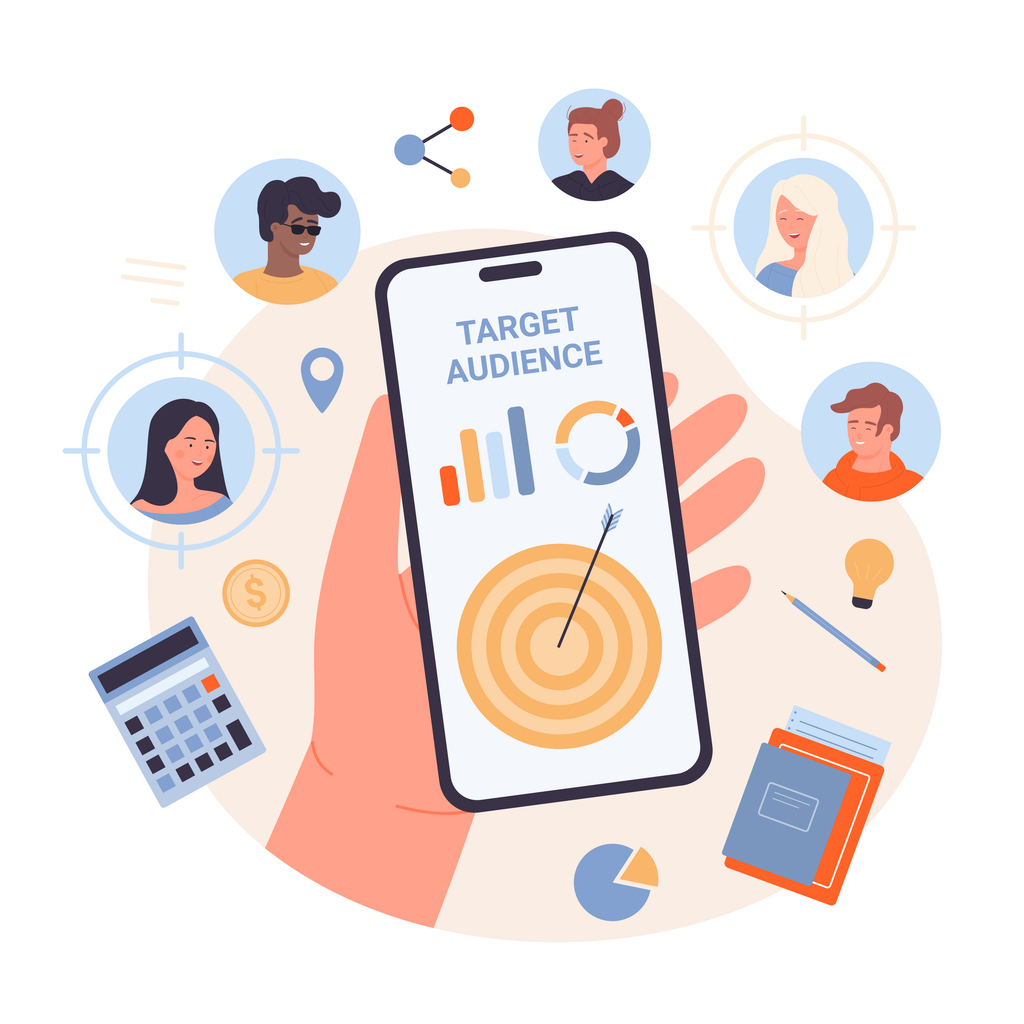
AI can analyze customer data to create highly targeted ad campaigns. They help ensure that businesses spend marketing budgets efficiently and increase their return on investment (ROI).Predicting Customer Trends
AI uses predictive analytics to forecast trends based on historical data, enabling small businesses to adjust their strategies in real-time and helping companies adapt quickly, maximizing their reach and impact.3. Automating Routine Tasks with AI Tools
Small business owners often juggle many roles, including managing inventory and handling customer inquiries. This technology can help by automating repetitive, time-consuming tasks.Scheduling and Calendar Management
AI tools can automate scheduling, including client meetings, appointments, and team collaboration. You can integrate these tools with email platforms and calendars, saving time and reducing the risk of human error.Invoice and Expense Management
Managing finances is another area where this technology excels. AI-driven accounting tools can automate invoicing, track expenses, and more. This reduces the administrative burden on small business owners while providing accurate and up-to-date financial data.4. Enhancing Inventory Management with Forecasting
Managing inventory is a critical aspect of running a small business. Overstocking can lead to increased costs—understocking results in missed sales opportunities. AI forecasting can help balance inventory levels by accurately predicting demand.Demand Forecasting
 AI algorithms analyze historical sales data, seasonality, and market trends to predict future demand. This allows small businesses to order the right amount of inventory, reducing waste and ensuring they always have what customers need.
Automating Reordering
This technology can also automate the reordering process by setting triggers when stock levels reach a certain threshold. This ensures that companies replenish inventory before items run out.5. Personalizing Customer Interactions
Personalized experiences are key to customer loyalty. AI tools can analyze customer data and provide insights. These insights enable businesses to tailor their interactions, making customers feel valued.Companies that use personalization can generate as much as 40% more revenue